
Best Voltage Testers for Electricians (Safe & Reliable) – 2026 Guide
Working with electricity requires precision and safety. A reliable voltage tester is one of the most essential tools an electrician can carry, enabling you to quickly confirm whether circuits are live before commencing work.
The best voltage testers for electricians are built for accuracy, safety, and ease of use, allowing you to work confidently in any environment.
Why Voltage Testers Are Essential
Before touching any wire, you need to know if it’s live.
Voltage testers help you:
- Detect live circuits
- Prevent electrical shock
- Work more efficiently
- Stay compliant with safety practices
👉 If you’re building your full setup, check out Best Gear for Electricians
🔥 Best Voltage Testers for Electricians (Quick Comparison)
| Tester | Best For | Type | Range | Price |
|---|---|---|---|---|
| Fluke 1AC II | Overall reliability | Non-contact | 90–1000V | $$ |
| Klein Tools NCVT-2 | Dual range | Non-contact | 12–1000V | $$ |
| Southwire 40150N | Budget option | Non-contact | 100–600V | $ |
| Fluke T6-1000 | Advanced use | Digital | 1000V | $$$ |
| Extech DV25 | Compact use | Non-contact | 50–1000V | $ |
Best Voltage Testers for Electricians (Top Picks)
1. Fluke 1AC II Voltage Tester
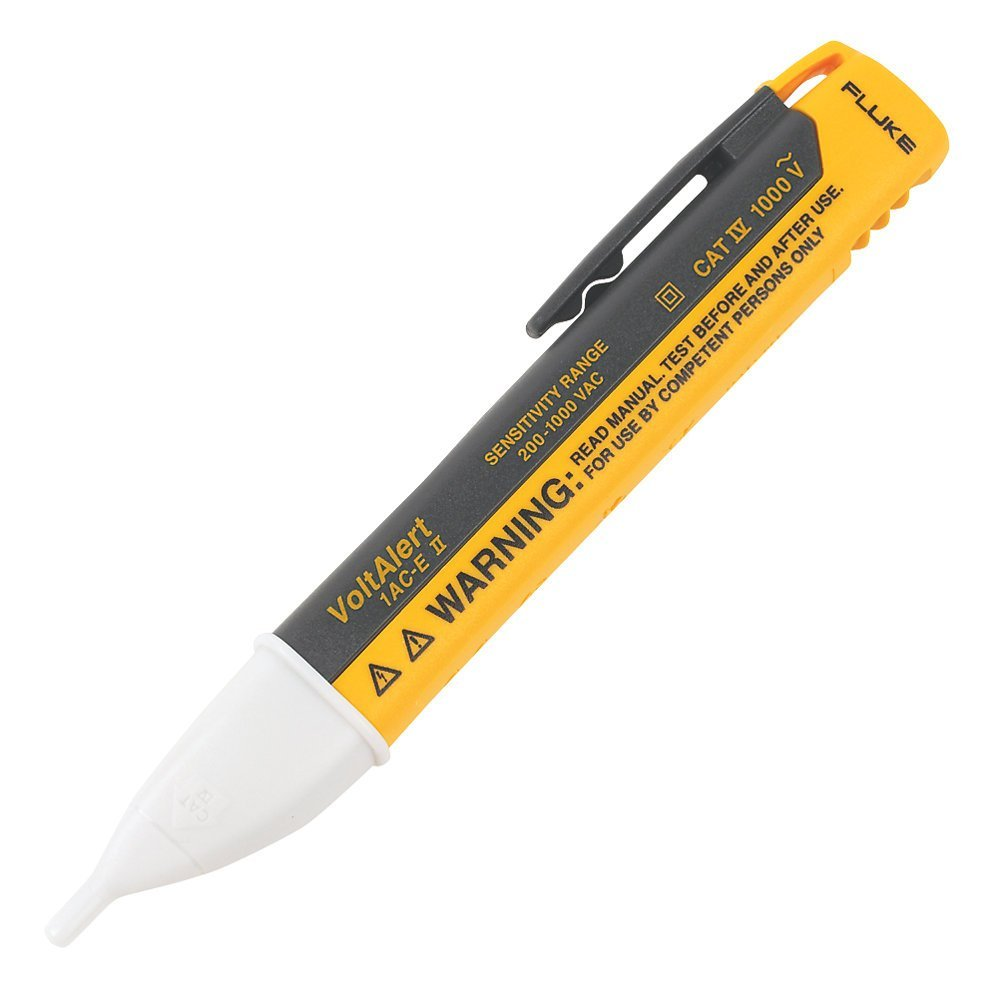
- Trusted brand
- Simple and reliable
- Durable design
Best for: Overall reliability
2. Klein Tools NCVT-2 Voltage Tester
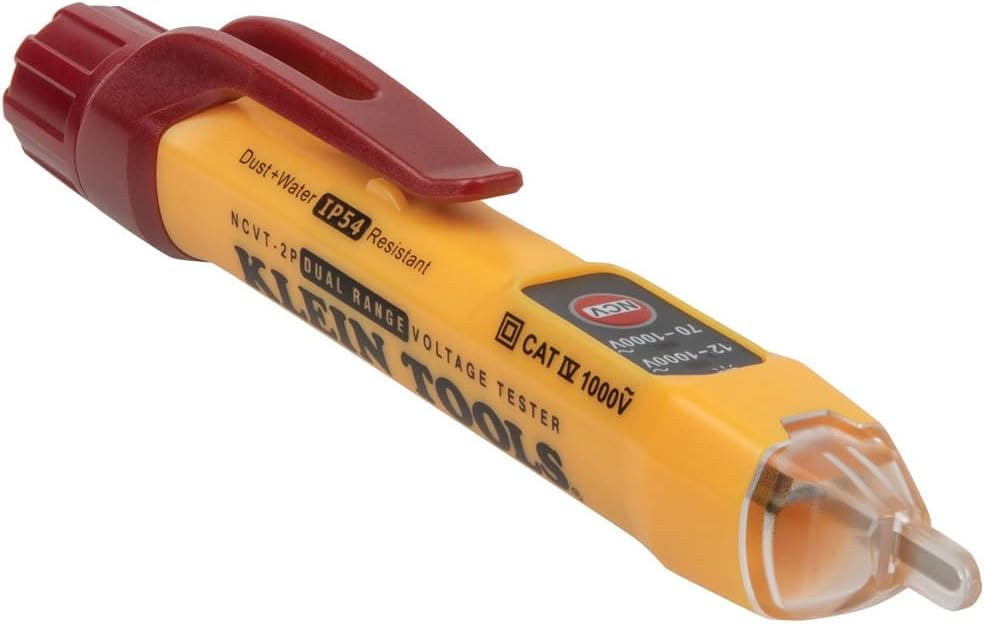
- Dual range detection
- Bright LED + audible alerts
- Great for professional use
Best for: Versatility
3. Southwire 40150N Voltage Tester
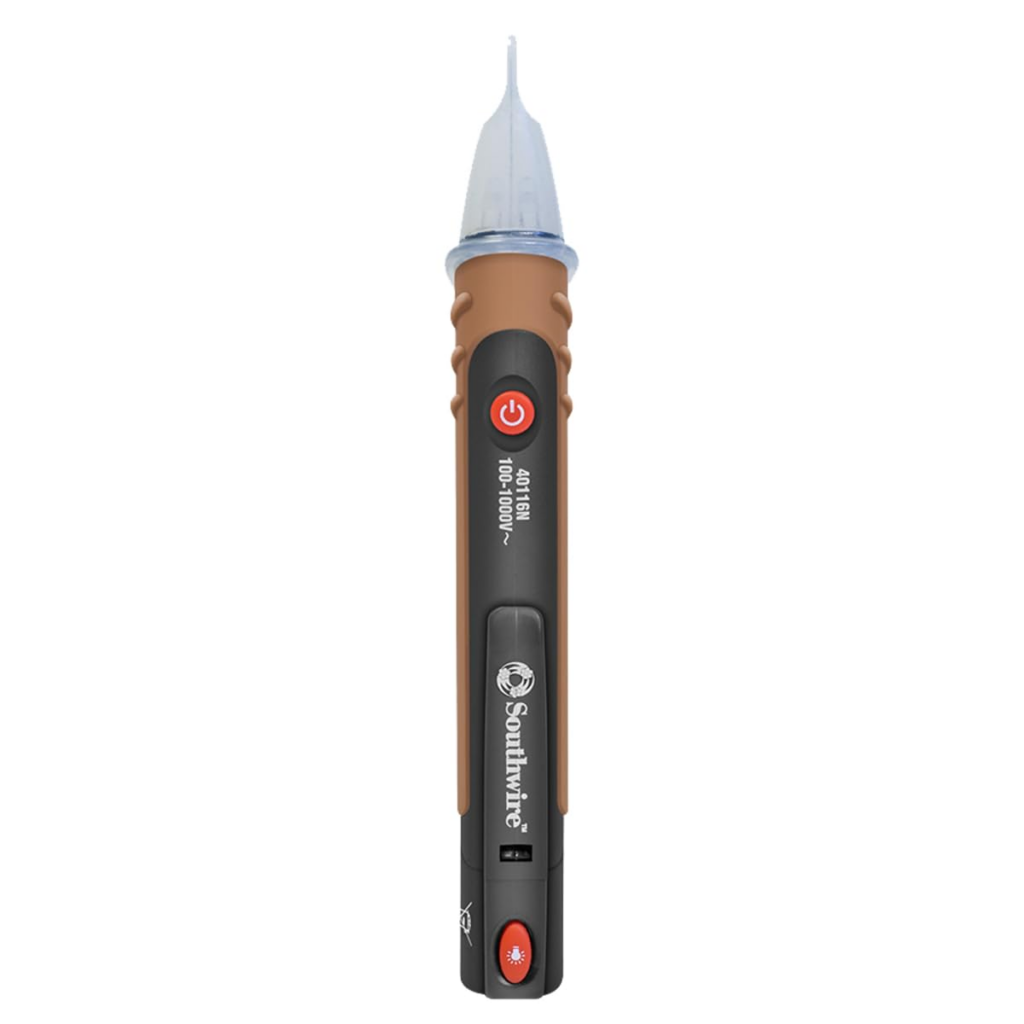
- Affordable
- Easy to use
- Good for basic checks
Best for: Budget option
4. Fluke T6-1000 Electrical Tester
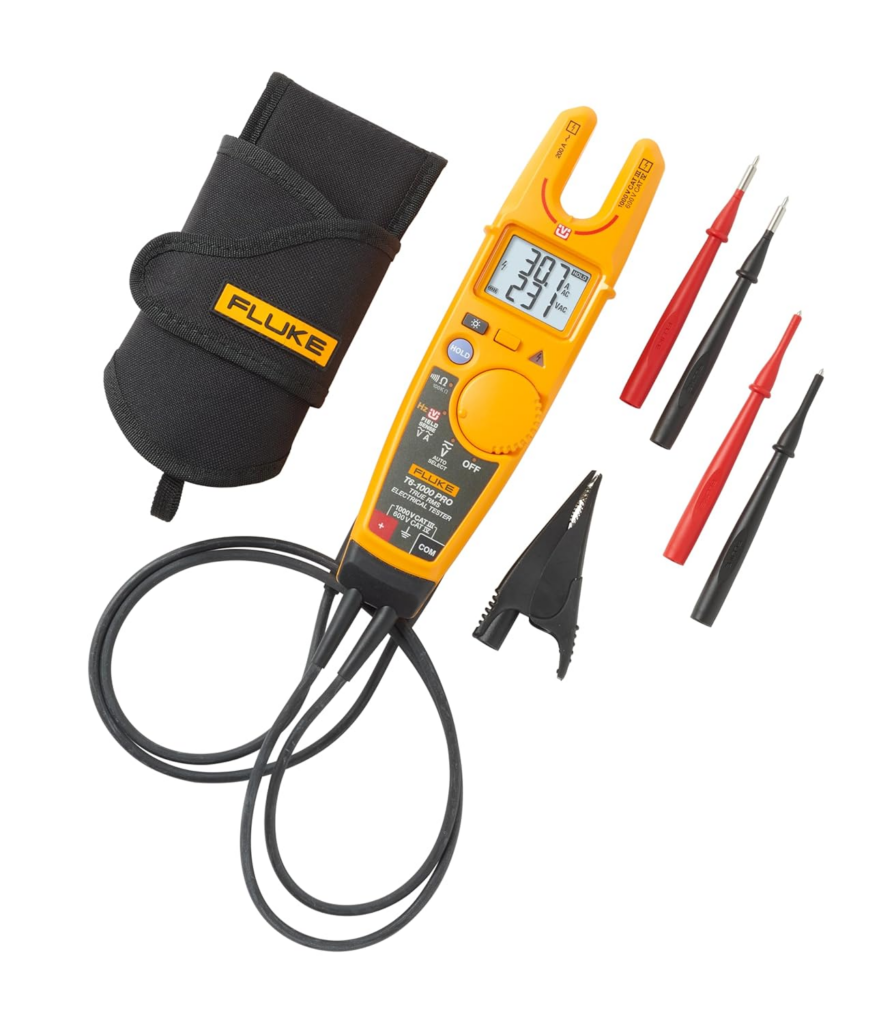
- Advanced digital readings
- Measures voltage without contact
- High-end tool
Best for: Advanced users
5. Extech DV25 Voltage Tester
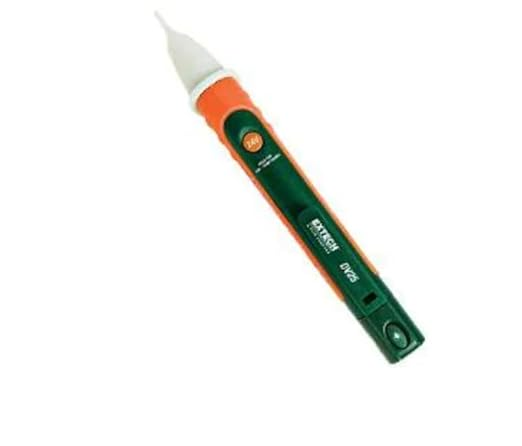
- Compact design
- Simple functionality
- Good backup tester
Best for: Portability
What to Look for in a Voltage Tester
Non-Contact vs Digital
- Non-contact: quick checks
- Digital: precise readings
Voltage Range
Make sure it covers the systems you work with.
Ease of Use
Simple testers are faster and safer in many situations.
Non-Contact vs Contact Testers
- Non-contact testers: Fast and safe for quick checks
- Contact testers: More accurate but require direct contact
Most electricians carry both depending on the task.
Real-World Advice from Electricians
Most electricians rely on non-contact testers for quick safety checks, but keep a more advanced tester on hand for detailed work.
Having a reliable tester isn’t optional — it’s one of the most important tools you’ll use every day.
How Voltage Testers Fit Into Your Setup
Voltage testers work alongside:
- Tool belts
- Tool backpacks
- Gloves
👉 See:
Final Thoughts
A good voltage tester helps you work faster, safer, and with confidence. It’s a small tool that plays a critical role in every job.